Sherwani: Timeless Elegance, Rich History, and Wedding Significance
Sherwani: Timeless Elegance, Rich History, and Wedding Significance
What Is a Sherwani?
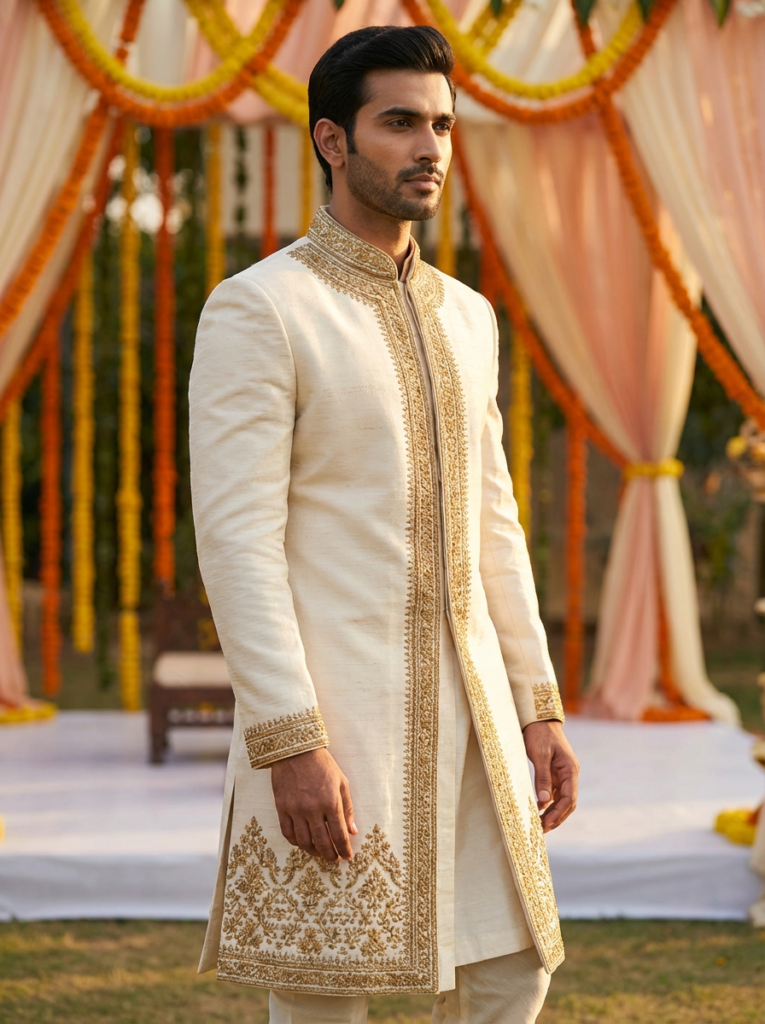
A sherwani is a knee‑length or longer coat, usually worn over a kurta and churidar or pajama, featuring a stand or bandhgala collar and a straight or slightly flared silhouette. It is typically crafted from rich fabrics like silk, brocade, jacquard, or velvet and is often embellished with embroidery, zardozi, or handwork to create a regal look. Historically associated with Muslim aristocracy and nobility, it is now widely worn by grooms and guests across communities in India, Pakistan, Bangladesh, and the South Asian diaspora.
History and Evolution
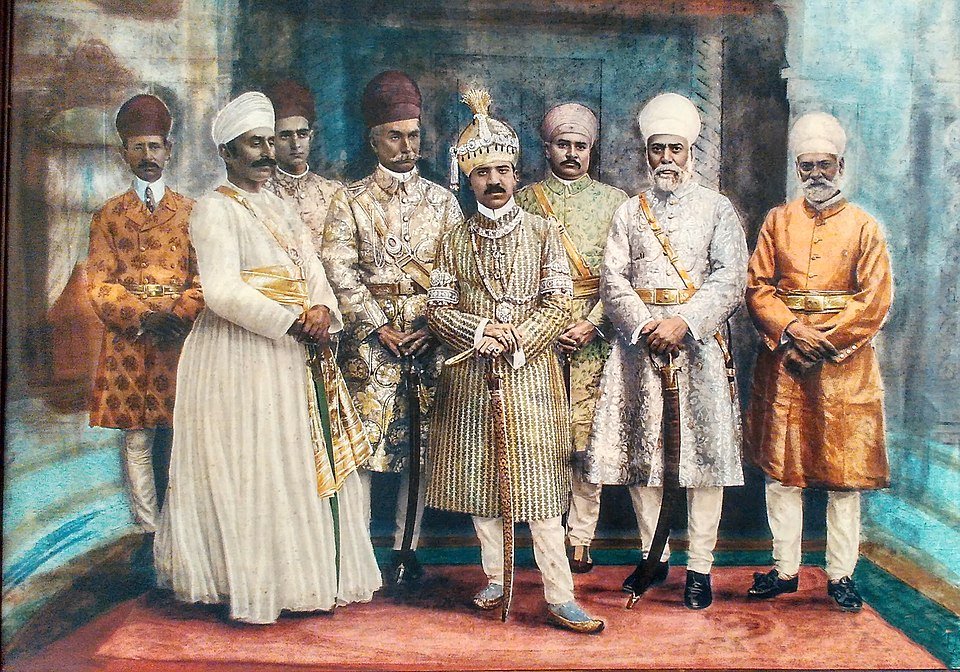
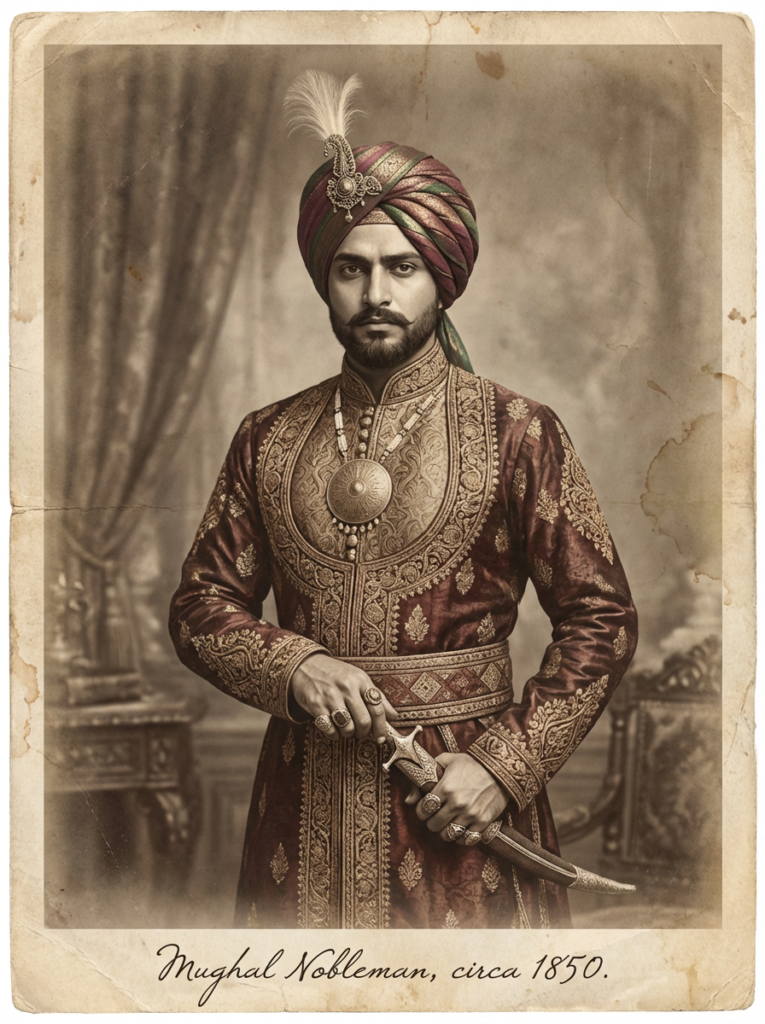
The sherwani emerged as a distinct garment in 19th‑century British India, evolving from earlier Persian and Central Asian long coats (such as chogha and angarkha) with a front‑buttoned closure influenced by European tailoring. It was first adopted by Mughal nobles and regional aristocrats as a formal court dress, symbolising status and refinement in cities like Lucknow and other centres of North Indian high culture. Over time, it transitioned from exclusive elite wear to a broader symbol of ceremonial dress for the wider population, especially for festive and formal occasions.
Cultural and Emotional Significance
The sherwani has become a powerful symbol of cultural pride and continuity, often marking life milestones such as engagements, weddings, and religious festivals. For many grooms, wearing a sherwani is a rite of passage that visually connects them to their roots while standing at the threshold of a new life chapter. Beyond individual emotion, it also represents intergenerational tradition, as designs, colours, or styling choices are frequently inspired by what fathers, grandfathers, or community elders wore on their own significant days.
Sherwani in Modern Weddings and Fashion
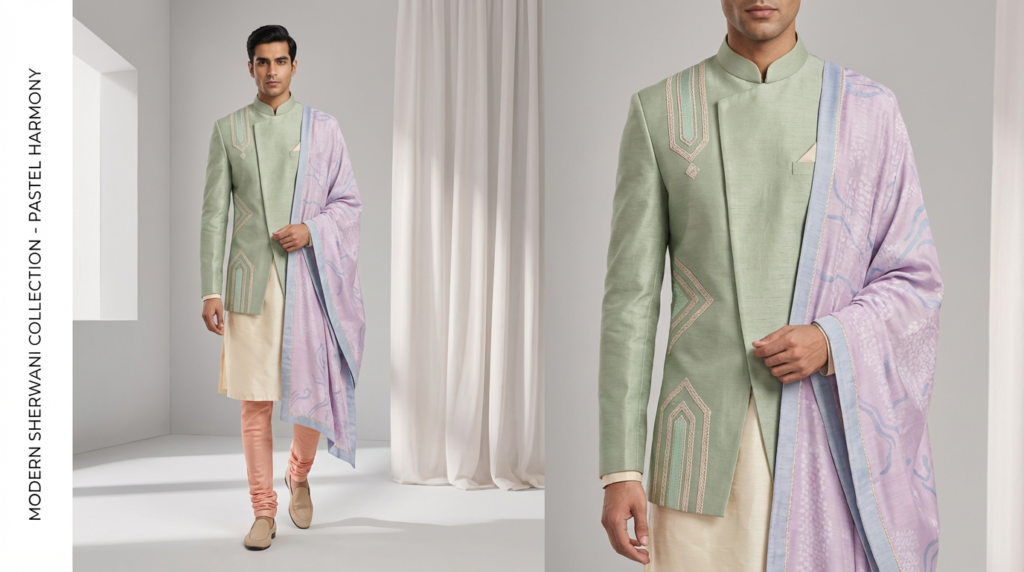
In contemporary South Asian weddings, the sherwani is often the groom’s statement piece, designed to complement the bride’s lehenga or saree in colour, embellishment, and theme. Designers now experiment with silhouettes (Achkan‑style, asymmetrical cuts, Indo‑Western hybrids), fabrics (banarasi weaves, raw silk, linen blends), and palettes (pastels, jewel tones, metallics) to balance heritage with modern tastes. Despite these innovations, the core visual language—mandarin collar, structured front, and an air of royal refinement—remains intact, making the sherwani a timeless mainstay of festive menswear.