Cowboy Wedding Tuxedos | Western-Inspired Formalwear
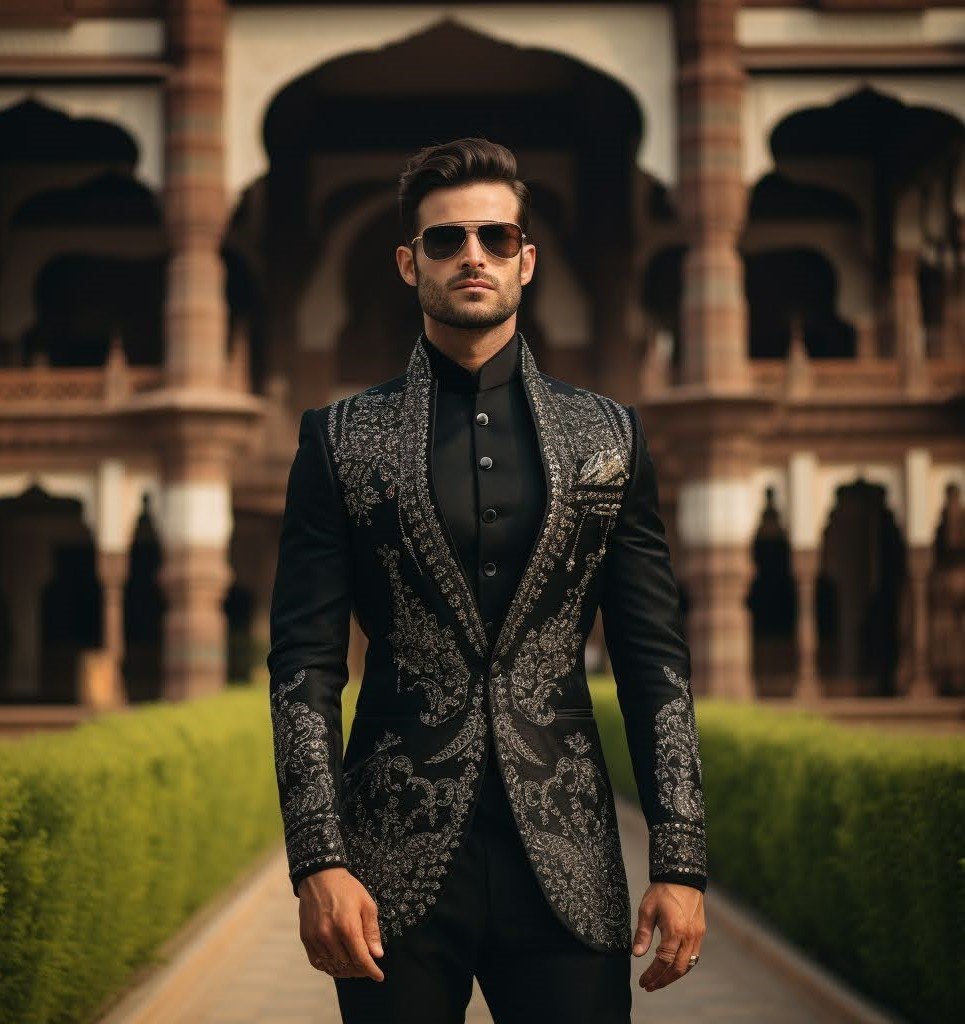
Cowboy wedding tuxedos are not about novelty dressing; they are about interpreting western influence through the discipline of formal tailoring. When done poorly, the result becomes costume-like, relying on exaggerated trims, novelty fabrics, or off-the-rack shortcuts that undermine the formality of a wedding. When done correctly through bespoke construction, a western-inspired tuxedo retains the authority of black-tie dressing while introducing subtle cues—fabric texture, silhouette, lapel treatment, or restrained detailing—that reference cowboy heritage without overwhelming the groom’s presence. The success of this balance lies not in decoration, but in proportion, restraint, and precision.
For grooms drawn to cowboy or western themes—particularly for outdoor weddings, ranch venues, or destination ceremonies—the key decision is not whether the look can be achieved, but how it should be achieved without compromising elegance. A bespoke tuxedo allows western influence to be expressed structurally rather than superficially. Slightly broader lapels, heavier cloth weights, matte finishes, or custom trouser rises can all evoke rugged refinement while remaining unmistakably formal. This is especially relevant for grooms in the UK searching from Birmingham or London, where consultations are held in Solihull and tuxedos are designed to suit both venue context and personal style through the Tuxedo Solihull experience. Rather than imitating western wear, the tailoring process translates its character into a wedding-appropriate form.
In Canada, cowboy-inspired wedding tuxedos are often requested by grooms planning countryside ceremonies across Ontario, including venues outside Toronto and Brampton. Here, the challenge is similar: maintaining black-tie credibility while allowing individuality. Through the bespoke process offered at the Mississauga showroom, serving the wider GTA, fabric selection and garment architecture are aligned with the groom’s build, posture, and event setting. A western-influenced tuxedo commissioned through the Tuxedo Mississauga process ensures that details such as jacket length, shoulder line, and trouser break are intentional rather than themed, allowing the groom to stand apart without appearing styled for effect.
Many grooms considering cowboy-inspired formalwear also explore sherwanis as an alternative when blending cultural heritage with distinctive wedding aesthetics. For South Asian grooms hosting outdoor or destination weddings, a bespoke sherwani can offer the same sense of presence and individuality, particularly when structured with heavier fabrics and architectural tailoring. In the UK, this approach is often explored through the Sherwani Solihull experience, where Birmingham-based grooms commission garments designed to carry formality across varied settings. In Canada, grooms across Mississauga, Toronto, and Brampton often compare tuxedos and sherwanis during consultations via the Sherwani Mississauga page, weighing cultural expression against dress-code expectations.
Ultimately, cowboy wedding tuxedos work when they are treated as formal garments first and thematic expressions second. Bespoke tailoring ensures western inspiration is refined, controlled, and proportionate, allowing the groom’s attire to feel intentional rather than performative. Whether choosing a tuxedo or sherwani, the defining factor is not the theme itself, but the discipline with which it is executed—measured in fabric choice, construction, and how seamlessly the garment supports the groom on the day rather than distracting from him.