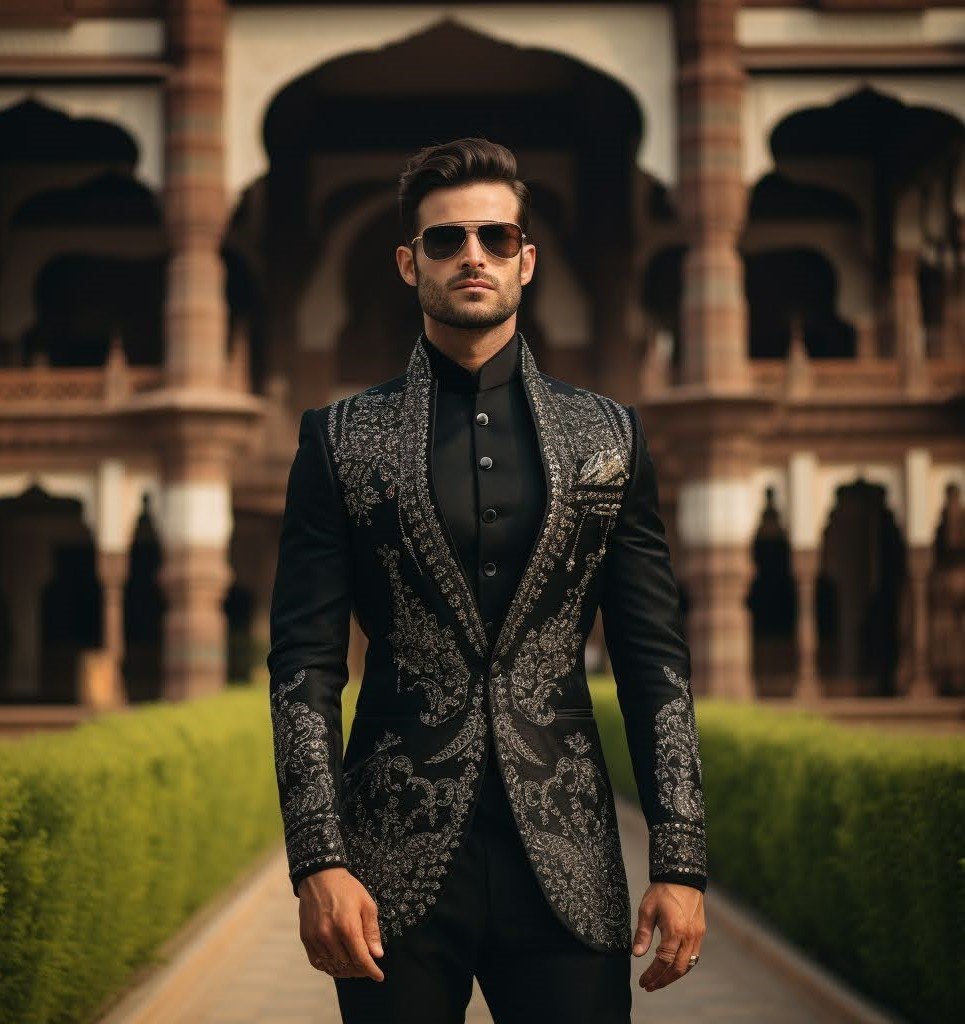
Best Wedding Suits for Groom | Suit vs Tuxedo Guide
Selecting the best wedding suit for a groom is not simply a matter of style preference—it requires evaluating ceremony timing, venue, and the level of formality. Daytime weddings and less formal celebrations often call for classic suits, which provide versatility, comfort, and understated elegance. Evening receptions and black-tie events, by contrast, benefit from the elevated refinement of a tuxedo. In both cases, fabric quality, construction, and fit are far more important than trends or novelty, as these factors determine how the garment performs throughout the wedding day, in photographs, and across multiple events.
Suit vs Tuxedo: Understanding the Key Differences
A suit and a tuxedo may appear similar to the untrained eye, but they serve distinct purposes. Suits are designed for adaptability and can be worn repeatedly across professional, social, and ceremonial settings. They feature uniform fabric throughout and rely on tailoring alone to create structure. Tuxedos, in contrast, are ceremonial garments designed specifically for evening formalwear. Satin or silk detailing on lapels, buttons, and trousers sets the tuxedo apart visually and structurally, giving the wearer a presence suited to black-tie standards.
For weddings, this distinction is critical. Suits are commonly worn by grooms during daytime ceremonies or by groomsmen, while tuxedos are reserved for evening events and luxury receptions. The choice is determined not by fashion but by timing, venue, and desired formality.
The Role of Bespoke Tailoring
Regardless of whether a groom chooses a suit or a tuxedo, bespoke tailoring dramatically enhances fit, proportion, and comfort. Mass-produced garments often compromise shoulder alignment, waist suppression, and trouser rise, leading to inconsistencies over the course of a long day. Bespoke garments, measured to over 20 points on the body, ensure that the jacket, trousers, and any waistcoat maintain balance, shape, and ease of movement.
UK grooms can experience this through the Tuxedo Solihull or Sherwani Solihull consultations, where fit, posture, and venue considerations are assessed before construction begins. In Canada, the Tuxedo Mississauga and Sherwani Mississauga processes provide the same precision across the GTA, allowing grooms from Toronto, Brampton, and Mississauga to commission formalwear that performs consistently from ceremony to reception.
Coordinating Across Multi-Day Celebrations
Many South Asian weddings span multiple days and venues, making it necessary to coordinate suits and tuxedos with other formalwear, such as sherwanis. This ensures that the groom maintains a polished and cohesive presence across events while adhering to appropriate cultural and ceremonial norms. In the UK, grooms can compare and plan outfits through the Sherwani Solihull experience, while Canadian grooms receive similar guidance via the Sherwani Mississauga consultations.
Beyond Trends: Fabric, Fit, and Proportion
The best wedding suit is defined less by seasonal trends and more by fabric, construction, and proportion. Fabrics should suit the wedding’s climate, timing, and formality—lighter wool or linen for daytime events, heavier wool or blended fabrics for evening occasions. Fit is paramount, with bespoke tailoring ensuring shoulders, chest, waist, and sleeve lengths align perfectly. Proportion ensures that the groom’s silhouette reads cleanly in photography and maintains composure throughout hours of wear.
Exploring Formalwear Options
For grooms considering elevated formalwear, comparing suits with tuxedos before committing is highly recommended. Classic suits offer understated daytime elegance, while tuxedos provide the ceremonial authority required for evening weddings and black-tie events. Detailed guidance, construction insights, and inspiration can be explored through the Classic Suits collection and the Iconic Tuxedos page, allowing grooms to make informed decisions about which ensemble aligns with their wedding vision.
By approaching the choice strategically—balancing timing, venue, and bespoke tailoring—a groom ensures that his formalwear is not only visually compelling but also proportionally precise and enduring.