Tuxedo vs Suit – What’s the Difference for Weddings?
The difference between a tuxedo and a suit is rooted in purpose rather than appearance alone. A suit is designed for versatility, intended to be worn repeatedly across professional, social, and ceremonial settings. Its construction prioritises adaptability, using the same fabric throughout and avoiding elements that restrict it to a single context. A tuxedo, by contrast, is created specifically for formal occasions. It is governed by eveningwear conventions that dictate not only how it looks, but when and why it should be worn. This distinction becomes especially important for weddings, where the timing, venue, and tone of the event determine which garment is appropriate.
Structural and Visual Differences
From a construction standpoint, tuxedos and suits differ in several key areas. A tuxedo is defined by satin or silk detailing on the lapels, buttons, and trouser side seams. These elements introduce controlled contrast and sheen, which visually elevate the garment under evening lighting and formal settings. Suits use uniform fabric throughout, resulting in a flatter, more utilitarian appearance suited to daytime or professional environments. Tuxedo trousers are also designed differently, typically without belt loops and with a cleaner waist finish, reinforcing the garment’s ceremonial intent. These details are not cosmetic; they establish hierarchy within formal dress codes.
How This Difference Applies to Weddings
For weddings, the choice between a tuxedo and a suit depends largely on timing and formality. Suits are commonly worn for daytime ceremonies, civil weddings, or by groomsmen where cohesion and practicality are prioritised. Tuxedos are traditionally reserved for evening receptions, formal venues, and black-tie celebrations, where a higher level of presentation is expected. A tuxedo naturally distinguishes the groom from guests wearing suits, creating visual clarity without relying on excessive styling or embellishment.
This distinction is addressed in detail during bespoke consultations through the Tuxedo Solihull experience. UK grooms travelling from Birmingham, London, or Manchester attend consultations in Solihull, where timing, venue, and guest dress codes are evaluated before a recommendation is made. Rather than defaulting to trend, the decision between a tuxedo and a suit is framed around appropriateness and long-term value.
Why Bespoke Changes the Outcome
Whether choosing a tuxedo or a suit, bespoke tailoring significantly alters the final result. Mass-produced garments are built to average proportions, often leading to compromised shoulder fit, excess fabric through the waist, or restricted movement. A bespoke tuxedo, in particular, benefits from precision, as formalwear magnifies any imbalance in proportion. Eighteen measurements are taken to account for posture, shoulder slope, chest depth, and trouser rise, ensuring the garment maintains its structure throughout long wedding days and extended evening events.
In Canada, grooms based in Toronto or Brampton often seek bespoke services in Mississauga to achieve this level of accuracy. Through the Tuxedo Mississauga process, serving the wider GTA, tuxedos are commissioned with continuity across consultation, fittings, and final delivery, reducing the uncertainty often associated with retail purchases or rentals.
Considering Cultural and Multi-Day Weddings
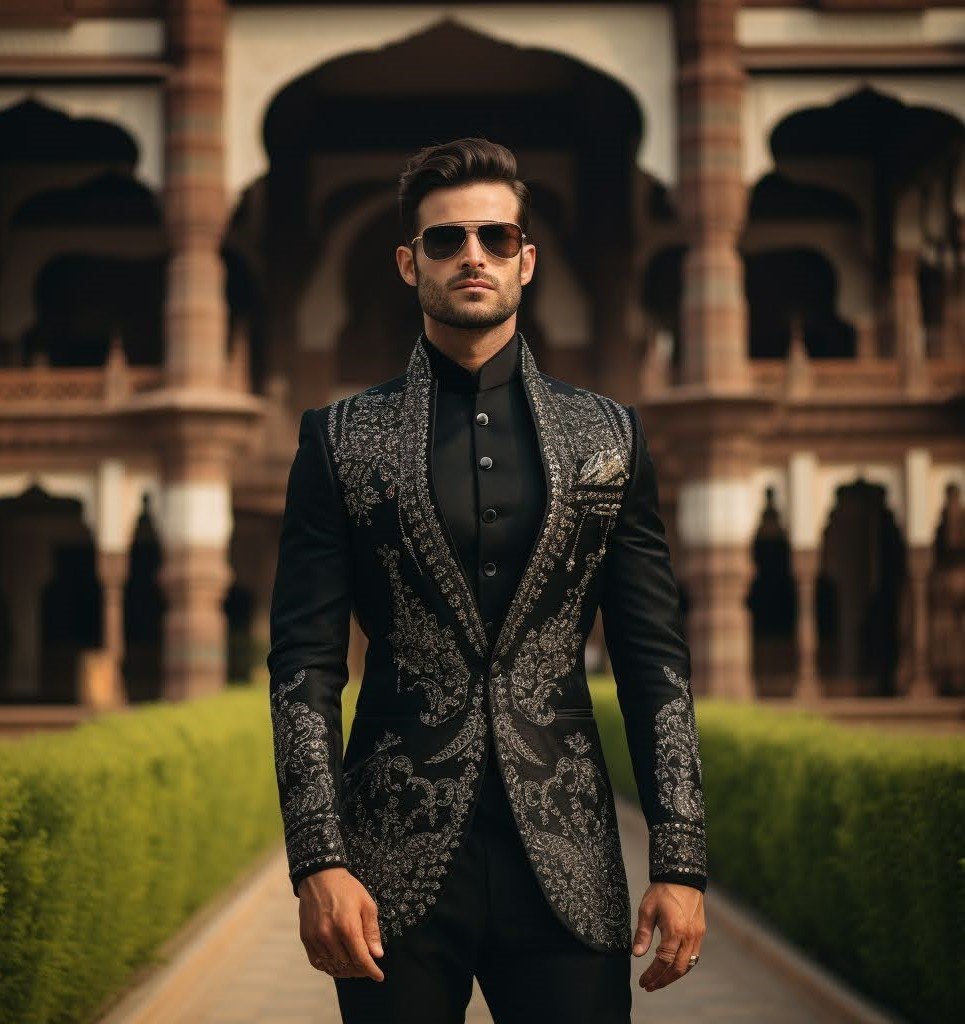
For South Asian weddings, the tuxedo versus suit decision is often part of a broader wardrobe plan. Multi-day celebrations may require different levels of formality, with tuxedos reserved for evening receptions and other garments worn for daytime ceremonies. In the UK, grooms frequently compare tuxedos with sherwanis through the Sherwani Solihull experience, particularly when balancing Western black-tie events with cultural traditions. In Canada, similar guidance is provided via the Sherwani Mississauga page for grooms across Mississauga, Toronto, and Brampton.
Choosing Based on Intention, Not Habit
Ultimately, the difference between a tuxedo and a suit for weddings comes down to intention. A suit offers flexibility and familiarity, making it suitable for daytime or less formal settings. A tuxedo delivers ceremony, authority, and visual distinction, particularly in evening environments. When chosen deliberately—and tailored bespoke—either garment can be correct. The key is aligning the choice with the wedding’s timing, venue, and level of formality, ensuring the groom’s attire supports the occasion rather than simply fitting into it.